Understanding the Costs Behind Polyclonal Antibody Development
Polyclonal antibody production services have gained popularity as researchers seek tailored solutions for their specific immunological needs. These services involve immunizing an animal, typically rabbits, goats, or sheep, with an antigen to elicit a diverse immune response. The resulting antibodies are harvested from the serum and purified for use in various applications, including research, diagnostics, and therapeutics. The process of producing polyclonal antibodies is more intricate than it may initially appear, and understanding the associated costs is essential for researchers and institutions budgeting for their projects.
The costs of polyclonal antibody production services can vary significantly based on several factors, including the choice of host animal, the complexity of the antigen, and the desired quality of the final product. For instance, rabbit polyclonal antibodies tend to be more expensive than those generated from smaller animals like mice due to the higher costs associated with maintaining larger animals and the longer immunization protocols required.
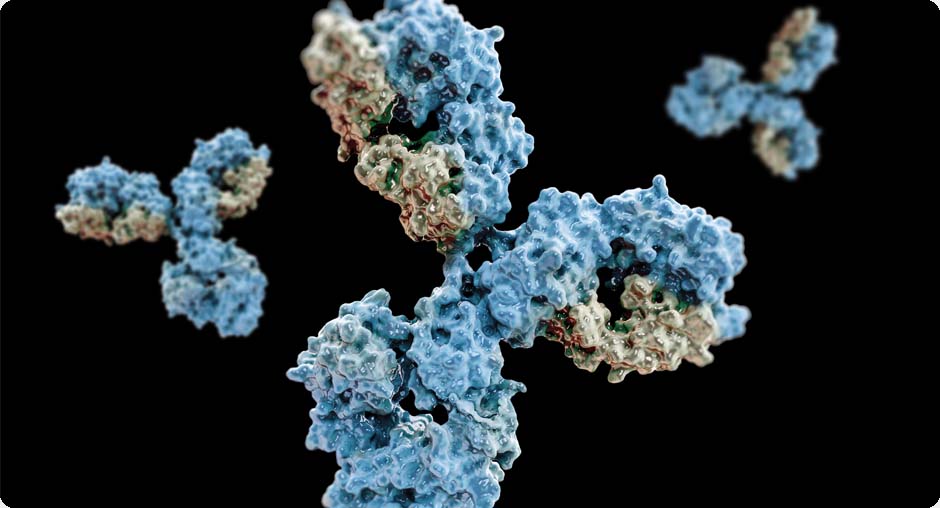
Additionally, if researchers require customizations, such as specific conjugations or purifications, this can further increase the overall cost. Generally, pricing models may include initial setup fees, immunization costs, and subsequent purification and quality control expenses, which together can range from a few hundred to several thousand dollars.
Despite the associated costs, investing in polyclonal antibody production services often proves to be a valuable decision for research teams. The versatility of polyclonal antibodies allows for a broad range of applications, including their use in sensitive assays where high specificity is needed. Furthermore, the ability to tailor these antibodies to specific antigens enhances the likelihood of successful outcomes in experimental settings. As the demand for custom antibodies continues to grow, many service providers are evolving to offer competitive pricing and flexible options, making these essential tools more accessible to researchers across various fields. Ultimately, the benefits of high-quality polyclonal antibodies often justify the investment, leading to advancements in scientific research and medical therapies.